
Pulmonary Nodules
Expert Evaluation & Monitoring of Pulmonary Nodules
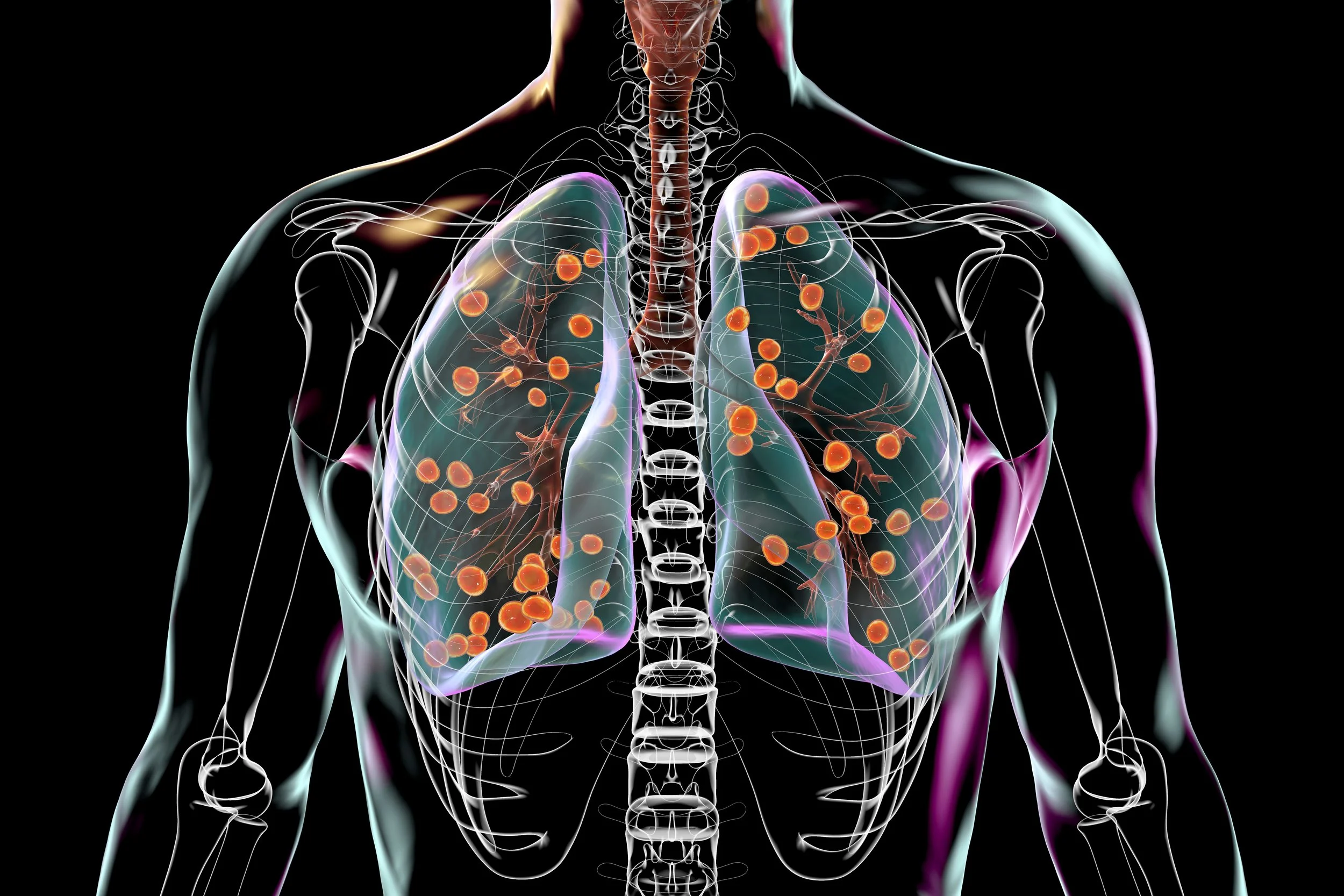
Pulmonary nodules are small, round growths in the lungs that are often found incidentally during imaging tests like chest X-rays or CT scans. While the word “nodule” can sound concerning, most pulmonary nodules are benign and non-cancerous. At The Lung Docs, our board-certified pulmonologists provide thorough evaluations, advanced imaging, and personalized monitoring plans to determine the nature of your nodule and protect your long-term lung health.
Common Questions About Pulmonary Nodules
-
Pulmonary nodules are typically less than 3 centimeters in size and may develop due to:
Prior infections or inflammation
Scar tissue
Benign growths
Less commonly, early-stage lung cancer
Many people experience no symptoms at all, which is why nodules are often discovered during imaging done for another reason.
-
If a pulmonary nodule is detected, your provider will carefully review:
Size, shape, and location of the nodule
Your medical history and risk factors
Smoking history or environmental exposures
Diagnostic tools may include:
Low-dose CT scans for detailed imaging
PET scans to assess metabolic activity
Pulmonary function testing
Biopsy procedures, when necessary
Our goal is to determine whether a nodule requires monitoring, further testing, or treatment—without unnecessary procedures.
-
Most pulmonary nodules do not cause symptoms. When symptoms do occur, they are uncommon and may include:
Persistent cough
Shortness of breath
Chest discomfort
Fatigue
Coughing up blood (rare)
Symptoms are more likely if a nodule is larger or associated with another lung condition.
-
Pulmonary nodules are typically found during imaging studies, such as:
Chest X-rays
CT scans
If a nodule is identified, additional testing may include:
Low-dose or high-resolution CT scans
PET scans
Pulmonary function tests
Biopsy procedures, when appropriate
These tests help determine the size, appearance, and behavior of the nodule.
-
Your pulmonologist evaluates several factors, including:
Size and shape of the nodule
Growth over time
Imaging characteristics
Personal risk factors such as smoking history or family history
Most nodules are monitored over time to watch for changes before any invasive testing is considered.
-
Treatment depends on the size, type, and risk profile of the nodule. Options may include:
Routine monitoring with follow-up imaging
Short-term imaging surveillance
Minimally invasive biopsy procedures
Surgical evaluation, in rare cases
Many pulmonary nodules require no treatment at all.
-
Not usually. Most pulmonary nodules remain stable and never require removal. Surgery is only considered if there is a strong concern for cancer or if the nodule changes over time.
-
Some nodules caused by infection or inflammation may shrink or resolve over time. Others remain unchanged and pose no health risk.
-
You should see a pulmonologist if:
A pulmonary nodule was found on imaging
You have risk factors such as smoking history
You experience new or worsening respiratory symptoms
Your primary care provider recommends further evaluation
Find a Location Near You
The Lung Docs provides specialized, state-of-the-art pulmonary care to our patients with pulmonary nodules in Chattanooga and the surrounding Southeast Tennessee and Northwest Georgia areas.

PULMONOLOGIST
Dr. Mike Czarnecki
I’m Dr. Mike Czarnecki, “The Lung Doc,” and I’m trained in all areas of pulmonary health, including the diagnosis and treatment of pulmonary nodules. I will work with you to formulate a personalized treatment plan so you can live, laugh, love, and breathe better again! To book an appointment with me, call 423‑710‑3864 or request an appointment online. I can’t wait to meet you!