
Sarcoidosis
What Do You Do If You’re Diagnosed with Sarcoidosis?
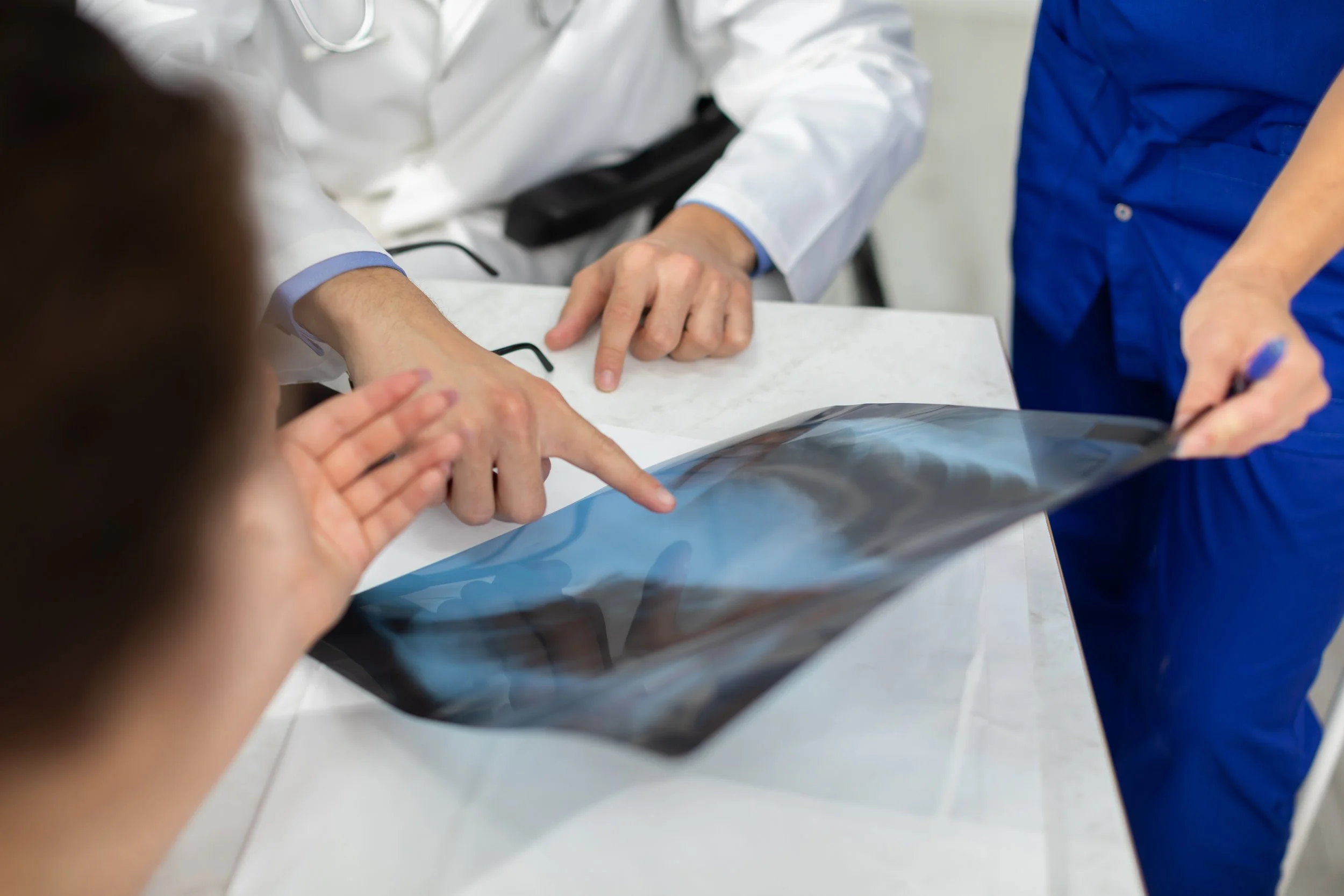
Sarcoidosis is an inflammatory disease that causes tiny clusters of cells (granulomas) to form in different parts of the body—most commonly the lungs. While some cases are mild and resolve on their own, others can lead to long-term lung damage or affect organs like the heart, eyes, or skin.
Because symptoms can vary widely—or even go unnoticed—sarcoidosis often requires careful evaluation and monitoring. Early diagnosis and expert care are key to managing symptoms, preventing complications, and protecting your overall health.
Common Questions About Sarcoidosis
-
Sarcoidosis is an inflammatory condition in which clusters of immune cells (called granulomas) form in organs—most often the lungs and lymph nodes. These granulomas can interfere with normal organ function if they grow or persist over time.
-
The exact cause of sarcoidosis is unknown. It’s believed to result from an abnormal immune response to environmental triggers—such as infections, chemicals, or dust—in people who may be genetically predisposed.
-
Sarcoidosis can range from mild to serious. In many cases, it resolves without treatment. However, some patients develop chronic inflammation that can lead to lung scarring or affect other organs, making ongoing care important.
-
Symptoms vary depending on the organs involved but may include:
Persistent dry cough
Shortness of breath
Chest pain
Fatigue
Skin rashes or bumps
Eye irritation or vision problems
Some people may have no symptoms and are diagnosed through imaging tests.
-
Diagnosis typically involves a combination of:
Medical history and physical exam
Chest X-ray or CT scan
Pulmonary function tests
Bloodwork
In some cases, a biopsy is needed to confirm the presence of granulomas.
-
To track disease progression and response to treatment, your provider may recommend:
Lung function tests
Imaging (X-rays or CT scans)
Blood tests to assess inflammation
Eye or heart evaluations if other organs are involved
-
Treatment depends on the severity and organs affected. Options may include:
Observation for mild cases
Corticosteroids to reduce inflammation
Immunosuppressive medications for more advanced disease
Your care plan is tailored to manage symptoms and prevent long-term complications.
-
Yes, many cases of sarcoidosis resolve without treatment, especially in early stages. However, some people develop chronic or progressive disease, which is why regular monitoring is essential.
-
You should see a specialist if you:
Have ongoing respiratory symptoms
Have been diagnosed and need monitoring
Experience worsening symptoms
Have involvement beyond the lungs
Early evaluation by a pulmonologist helps ensure accurate diagnosis and the right treatment plan.
Find a Location Near You
The Lung Docs provides specialized, state-of-the-art pulmonary care to our patients with sarcoidosis in Chattanooga and the surrounding Southeast Tennessee and Northwest Georgia areas.

PULMONOLOGIST
Dr. Mike Czarnecki
I’m Dr. Mike Czarnecki, “The Lung Doc,” and I’m trained in all areas of pulmonary health, including the diagnosis and treatment of sarcoidosis. I will work with you to formulate a personalized treatment plan so you can live, laugh, love, and breathe better again! To book an appointment with me, call 423‑710‑3864 or request an appointment online. I can’t wait to meet you!