
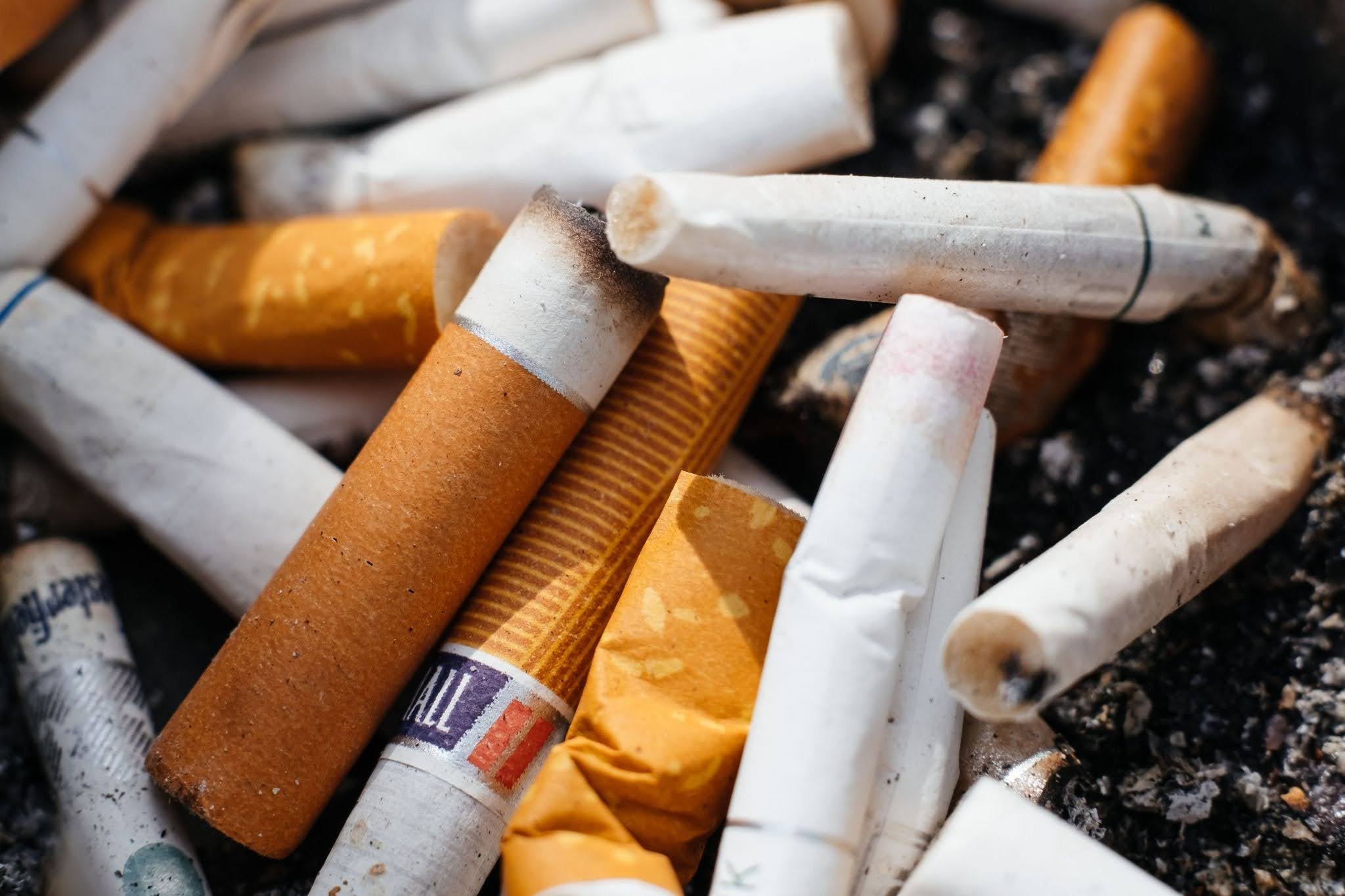
November is Lung Cancer Awareness Month, and there's no better time to talk about one of the most important things you can do for your lung health: quit smoking.
Each year, the American Cancer Society hosts the Great American Smokeout on the third Thursday of November, encouraging people across the country to take the first step toward a smoke-free life.
Quitting isn't always easy. We've cared for patients living with the effects of smoking, and we know how important it is to have the right information and support.
Here's what we want you to remember: No matter how long you've smoked, quitting can make a difference.
How Smoking Affects Your Lungs
Your lungs work hard every day to keep you breathing. When you smoke, you're exposing them to thousands of chemicals that can damage lung tissue, irritate your airways, and interfere with normal lung function.
Over time, smoking increases your risk of developing serious respiratory conditions, including:
Chronic obstructive pulmonary disease (COPD): A progressive condition that makes breathing more difficult.
Emphysema: Damage to the tiny air sacs in your lungs responsible for oxygen exchange.
Chronic bronchitis: Long-term inflammation that leads to persistent coughing and mucus production.
Lung cancer: Smoking is the leading cause of lung cancer, responsible for approximately 80–90% of lung cancer deaths in the United States.
While some lung damage is permanent, quitting smoking can help prevent additional damage and lower your risk of serious complications.
Lung Cancer Awareness Month: Why Early Detection Matters
Lung cancer often develops without noticeable symptoms in its early stages. That's why Lung Cancer Awareness Month is an important reminder to understand your risk, especially if you have a history of smoking.
For adults ages 50–80 with a history of at least 20 pack-years of smoking who currently smoke or quit within the past 15 years, annual low-dose CT screening may be recommended.
We encourage patients to have conversations about their smoking history, respiratory symptoms, and whether lung cancer screening is appropriate for them.
What Happens When You Quit Smoking?
Your body begins recovering sooner than you might expect.
Within days: Carbon monoxide levels in your blood return to normal.
Within 1–12 months: Coughing and shortness of breath often improve.
Over the following years: Your risk of heart disease, stroke, and several cancers decreases.
After 10–15 years: Your added risk of lung cancer drops by approximately half compared with someone who continues smoking.
Every smoke-free day is a step toward better health.
You Don't Have to Quit Alone
Nicotine dependence is challenging, and there's no one-size-fits-all approach to quitting.
If you're exploring smoking cessation in Chattanooga, TN, our team can help evaluate your lung health, discuss treatment options, and connect you with resources to support your goals.
Working with a lung care specialist in Chattanooga, TN is especially important if you're experiencing persistent coughing, wheezing, or shortness of breath.
Make This November a Turning Point
Lung Cancer Awareness Month and the Great American Smokeout are reminders that it's never too late to prioritize your breathing.
Whether you're ready to quit smoking or want to learn more about your lung cancer risk, The Lung Docs is here to help.
Schedule an appointment with The Lung Docs and take the first step toward healthier lungs.
