
Post-Intubation & Post-Tracheostomy Airway Stenosis
When Recovery Doesn't Mean Relief
You made it through intubation or a tracheostomy, and your breathing tube has been out for weeks now. You should be feeling more like yourself every day. Instead, you're winded walking to the mailbox, you notice a strange whistling sound every time you inhale, or a nagging cough just won't quit. Many patients—and even their doctors—chalk this up to lingering weakness or asthma. In reality, it may be airway stenosis: scar tissue narrowing your windpipe as it heals from your time on a breathing tube. Read below to learn about airway stenosis symptoms, diagnosis, treatment options, and more.
Common Questions About Airway Stenosis
-
Airway stenosis is an abnormal narrowing of the windpipe (trachea) or the area just below the vocal cords (subglottis), caused by scar tissue. It's one of the more common complications of being on a breathing tube (endotracheal intubation) or having a tracheostomy tube. Pressure from the tube, irritation to the airway lining, and the body's own healing response can all lead to scarring that gradually narrows the airway—sometimes not showing up until weeks or months after the tube comes out.
-
Symptoms of airway stenosis often mimic other respiratory conditions, which is why it's frequently mistaken for asthma or bronchitis at first. Common symptoms include:
Stridor: a high-pitched, harsh sound when breathing in, especially during activity.
Shortness of breath: feeling winded doing things that used to be easy, like climbing a flight of stairs.
Wheezing: a whistling sound, often mistaken for asthma, that doesn't improve with a rescue inhaler.
Chronic cough: a persistent cough that lingers long after you've otherwise recovered from your hospital stay.
-
Voice changes or hoarseness (when the narrowing is near the vocal cords)
Difficulty clearing mucus or frequent throat clearing
Recurrent respiratory infections
Anxiety around exertion or breathing
Fatigue from the extra effort it takes to breathe through a narrowed airway
It's important to note: symptoms can take weeks or even months to appear after your breathing tube or tracheostomy tube is removed, and they often start subtly before becoming more noticeable.
-
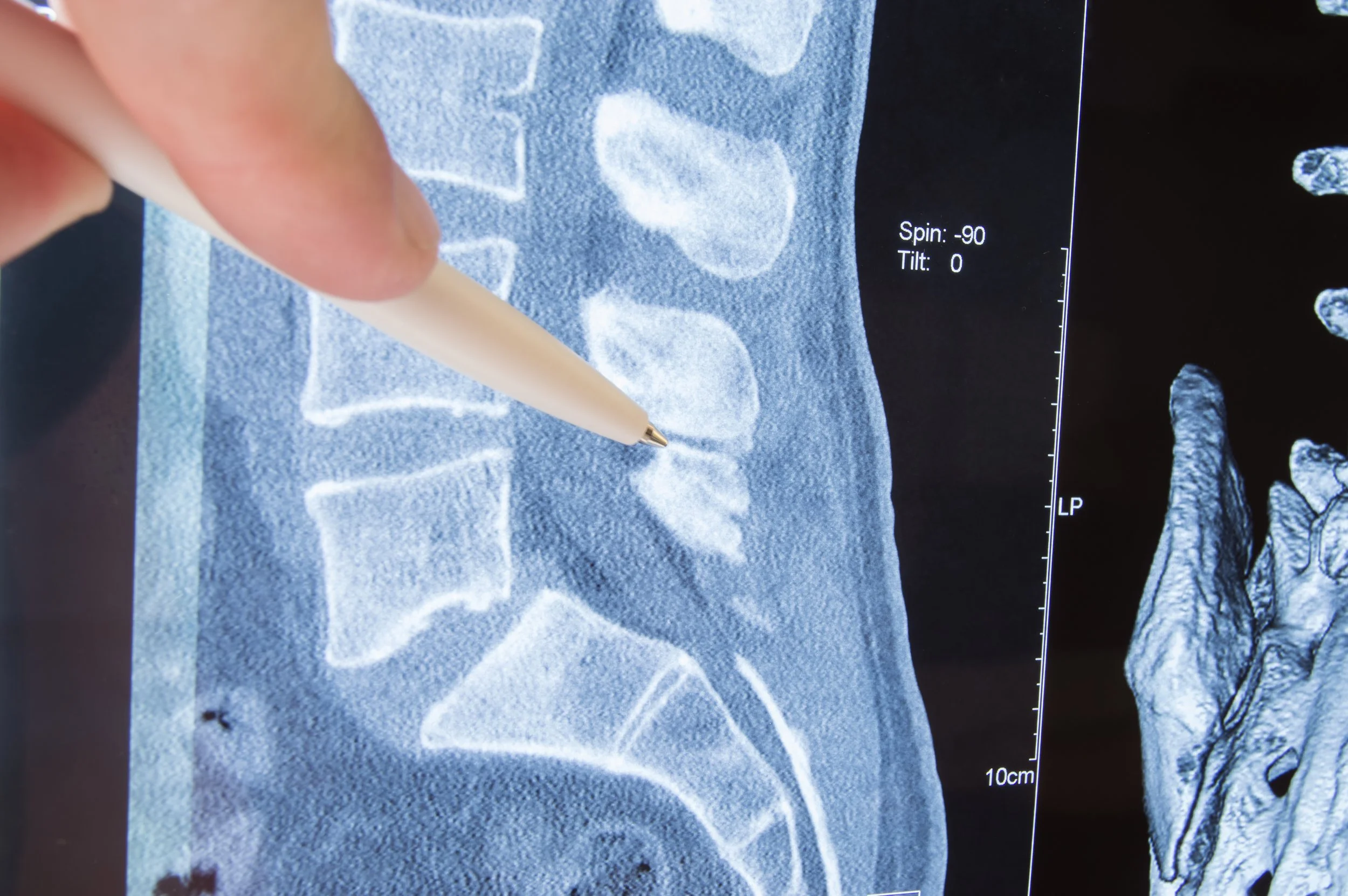
If you have a history of intubation or tracheostomy and you're experiencing new or worsening breathing symptoms, your doctor will start with a thorough review of your hospitalization and a physical exam. From there, diagnosis typically involves pulmonary function testing to check for a pattern consistent with narrowing of the upper airway, along with direct visualization of the airway using flexible laryngoscopy or bronchoscopy. Imaging, such as a CT scan of the neck and chest, can help pinpoint the location and severity of the narrowing.
-
The right treatment depends on how narrow the airway has become, where the narrowing is located, and how it's affecting your breathing. Options include:
Endoscopic dilation: using a scope to gently stretch open the narrowed section of the airway, often paired with steroid injections to help limit scar tissue.
Laser therapy: removing excess scar tissue to widen the airway.
Airway stenting: placing a temporary stent to hold the airway open while it heals.
Surgical reconstruction: for more severe or recurrent narrowing, procedures like tracheal resection or laryngotracheal reconstruction remove the narrowed segment altogether.
-
Because airway stenosis can return even after successful treatment, ongoing management is just as important as the initial procedure. Managing airway stenosis can help you:
Maintain open, stable airflow
Reduce the frequency of breathing flare-ups
Catch a recurrence early, before it becomes an emergency
Avoid repeat hospitalizations
Return to your normal activity level
Some examples of measures you can take to stay ahead of it:
Attending all follow-up bronchoscopy appointments, even once you feel back to normal
Tracking your breathing and reporting any new stridor, wheezing, or shortness of breath right away
Avoiding irritants like cigarette smoke that can slow healing
Working closely with your pulmonologist and ENT to build a long-term monitoring plan
-
While anyone who has been intubated or had a tracheostomy can develop airway stenosis, some factors make it more likely, including:
Duration of intubation: the longer you were on a breathing tube, the higher the risk of airway injury.
Tube size and cuff pressure: a tube that's too large, or a cuff inflated too tightly, can injure the lining of the airway.
Multiple or difficult intubation attempts: repeated trauma to the airway increases the risk of scarring.
Underlying health conditions: diabetes, autoimmune disease, obesity, and acid reflux can all slow healing and worsen scarring.
Smoking: tobacco use impairs the airway's ability to heal properly.
Find a Location Near You
The Lung Docs provides specialized, state-of-the-art pulmonary care to our patients in Chattanooga and the surrounding Southeast Tennessee and Northwest Georgia areas.

PULMONOLOGIST
Dr. Mike Czarnecki
I’m Dr. Mike Czarnecki, “The Lung Doc,” and I’m trained in all areas of pulmonary health, including the diagnosis and treatment of sarcoidosis. I will work with you to formulate a personalized treatment plan so you can live, laugh, love, and breathe better again! To book an appointment with me, call 423‑710‑3864 or request an appointment online. I can’t wait to meet you!