Women’s Heart & Lung Health: Key Symptoms Many People Miss
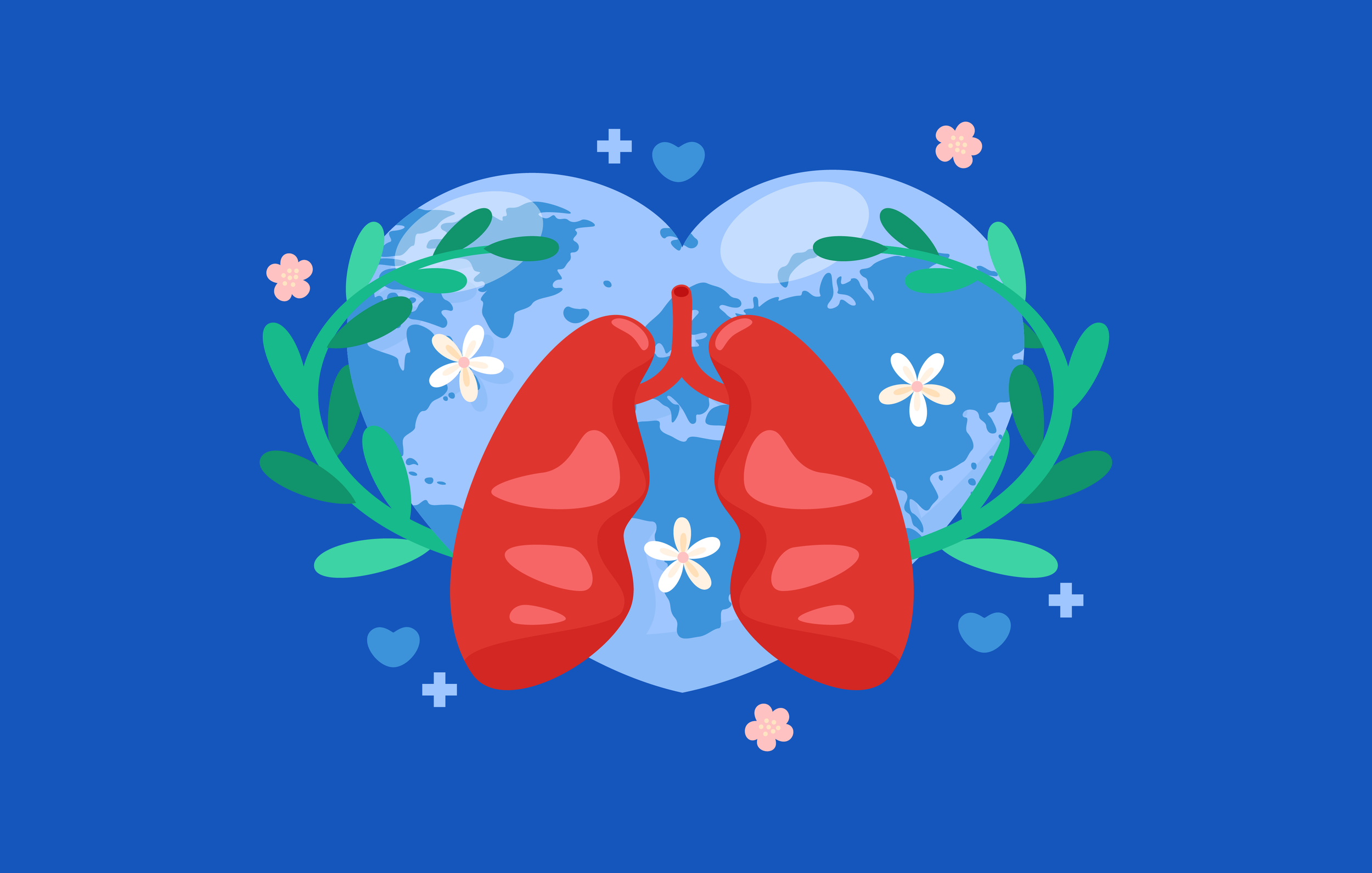
Women’s Heart & Lung Health Month is an annual reminder each March to pause and pay attention to the signals your body may be sending. Many women assume heart or lung problems show up suddenly, but symptoms often appear slowly and can be easy to dismiss.
Fatigue often gets blamed on a busy schedule. Breathing changes get chalked up to being out of shape. Mild chest discomfort gets brushed aside as stress. Because these symptoms can feel small at first, many women delay seeking medical care.
The heart and lung health are closely connected, and changes in breathing or energy levels may point to a deeper issue. Recognizing early symptoms and getting checked out can make a significant difference in long-term health.

The Connection Between the Heart and Lungs
Your heart and lungs work together constantly. The lungs bring oxygen into the body, and the heart pumps that oxygen-rich blood to your organs and muscles.
When your lung function is affected, oxygen levels can drop and t heart has to work harder to circulate blood. Conversely, heart conditions can also lead to fluid buildup in the lungs, making breathing more difficult.
Because these systems depend on each other, symptoms like fatigue or breathing trouble may be related to problems in either the lungs or the heart. That’s one reason why specialists encourage patients not to ignore ongoing breathing changes.
Key Symptoms Women May Overlook
Many early symptoms of heart or lung conditions can feel mild or easy to explain away. Over time, though, they may become more noticeable. Some of the signs women should pay attention to include:
Persistent fatigue that doesn’t improve with rest
Shortness of breath during everyday activities, such as climbing stairs or walking short distances
Chest tightness or discomfort, especially during exertion
Chronic coughing or wheezing that lasts for weeks
Feeling lightheaded or dizzy when being active
Breathing problems are one of the most common warning signs. If everyday tasks start leaving you winded, it may be time to speak with a specialist.
When To See a Pulmonologist
Breathing problems that last several weeks, worsen over time, or interfere with daily life should always be evaluated by a specialist.
A pulmonologist in Chattanooga, TN can perform tests to measure lung function, oxygen levels, and other factors that affect breathing. These evaluations help diagnose conditions such as asthma, COPD, pulmonary hypertension, sleep apnea, and other respiratory diseases.
At The Lung Docs, patients receive comprehensive pulmonology care with advanced diagnostic testing and personalized treatment plans designed to help them breathe easier and improve their quality of life.
Take The First Step Toward Breathing Better Again
Women are often the ones caring for everyone else, which can make it easy to overlook their own health. Women’s Heart & Lung Health Month is an opportunity to pause and prioritize your wellbeing.
Symptoms like persistent fatigue, breathing changes, or a lingering cough shouldn’t be ignored. At The Lung Docs, our team provides compassionate pulmonology care and thorough evaluations to help patients get answers and start feeling better.
If you’re experiencing breathing concerns or unexplained fatigue, schedule an exam with Chattanooga’s #1 pulmonologist and find a location near you. Early attention to symptoms can make a meaningful difference in your long-term heart and lung health.
Chattanooga’s leading lung doctor, Dr. Mike Czarnecki, MD, is renowned for delivering exceptional care and innovative treatments in pulmonary medicine. Whether you need a quick check-in to discuss symptoms or want to make sure your medications are optimized, a telehealth appointment can help you stay on top of your health from anywhere you go this holiday season. Click here to contact us to book an appointment.