Sarcoidosis: Symptoms, Causes, and When to See a Lung Specialist
What is sarcoidosis? Sarcoidosis is an inflammatory condition where clusters of immune cells form in the body. Most often, the lungs. Sarcoidosis can impact how well your lungs work and how easily you breathe. For many people, the condition is mild, but when it affects the lungs more significantly, it can lead to long-term breathing problems if it's not managed correctly.
With World Sarcoidosis Day on April 13th, it's a good time to find out more about this condition, its symptoms, and how you can get a diagnosis and treatment.
Common Symptoms of Sarcoidosis
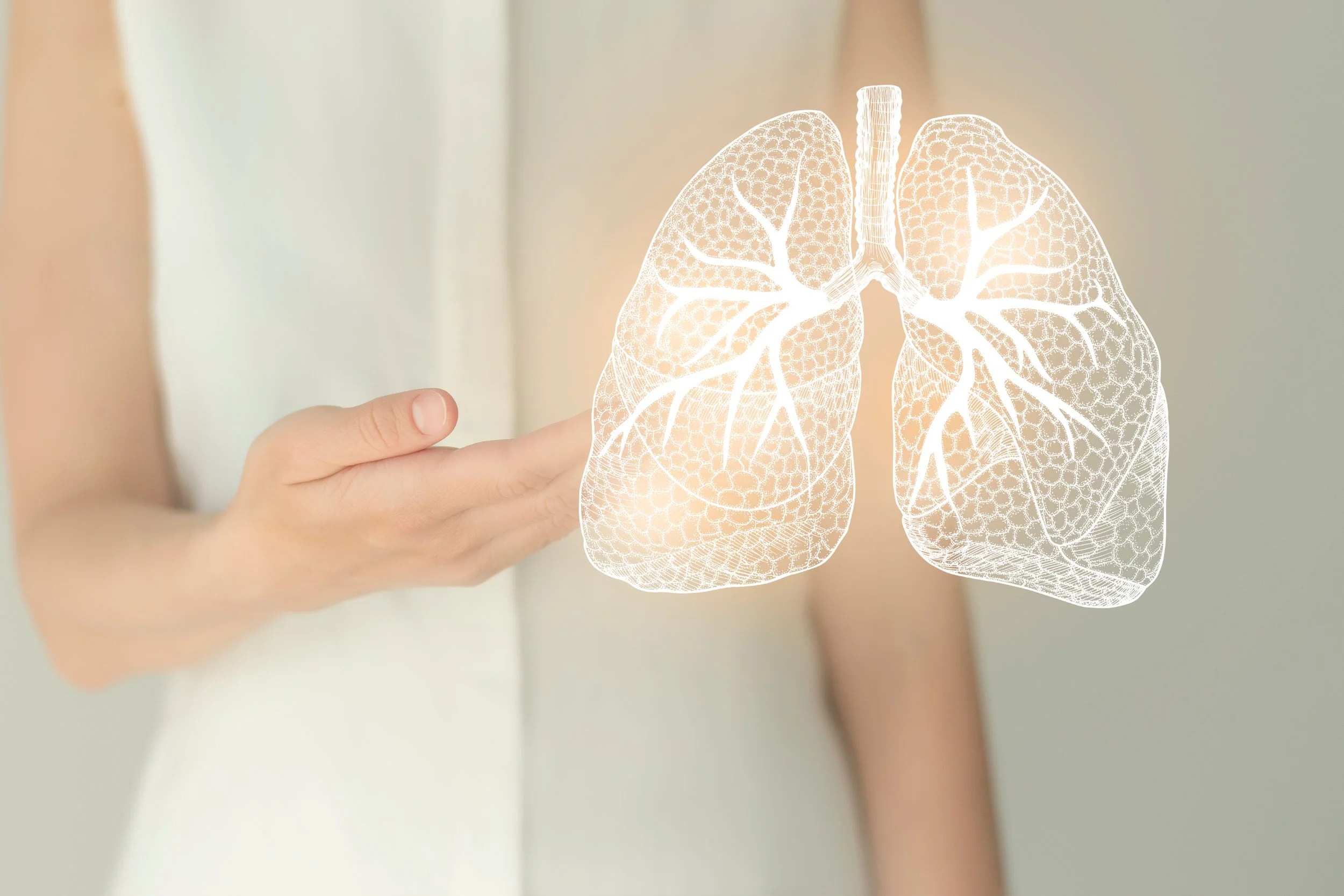
You will see early signs of sarcoidosis in the lungs first. It will manifest as a dry cough that lasts for several weeks and doesn't improve. People can also experience shortness of breath, which gradually worsens, making even the easiest tasks feel harder than usual. There might also be chest pain or discomfort aligned with fatigue that does not resolve with rest.
While sarcoidosis primarily affects the lungs, it can also cause skin rashes, eye irritation, or swollen lymph nodes too. These symptoms build gradually, meaning they are easy to miss in the early stages. It’s important to see your pulmonologist to discuss any concerns, as early detection can make a big differance in treatment and outcome.
Sarcoidosis Causes and Risk Factors
Sarcoidosis is believed to occur when the immune system overreacts to a trigger, causing inflammation in different parts of the body. However, the exact cause is still not fully understood. Potential triggers may include a combination of genetic predisposition and environmental exposures, such as certain particles or infections.
While sarcoidosis can affect anyone, it is most commonly diagnosed in adults between the ages of 20 and 40. It is also seen more frequently in Black Americans—particularly Black women—who have higher risk of developing the condition compared to other groups.
Although sarcoidosis can be complex and vary from person to person, many cases are manageable, and most individuals are able to live full, healthy lives after diagnosis.
How Sarcoidosis is Diagnosed
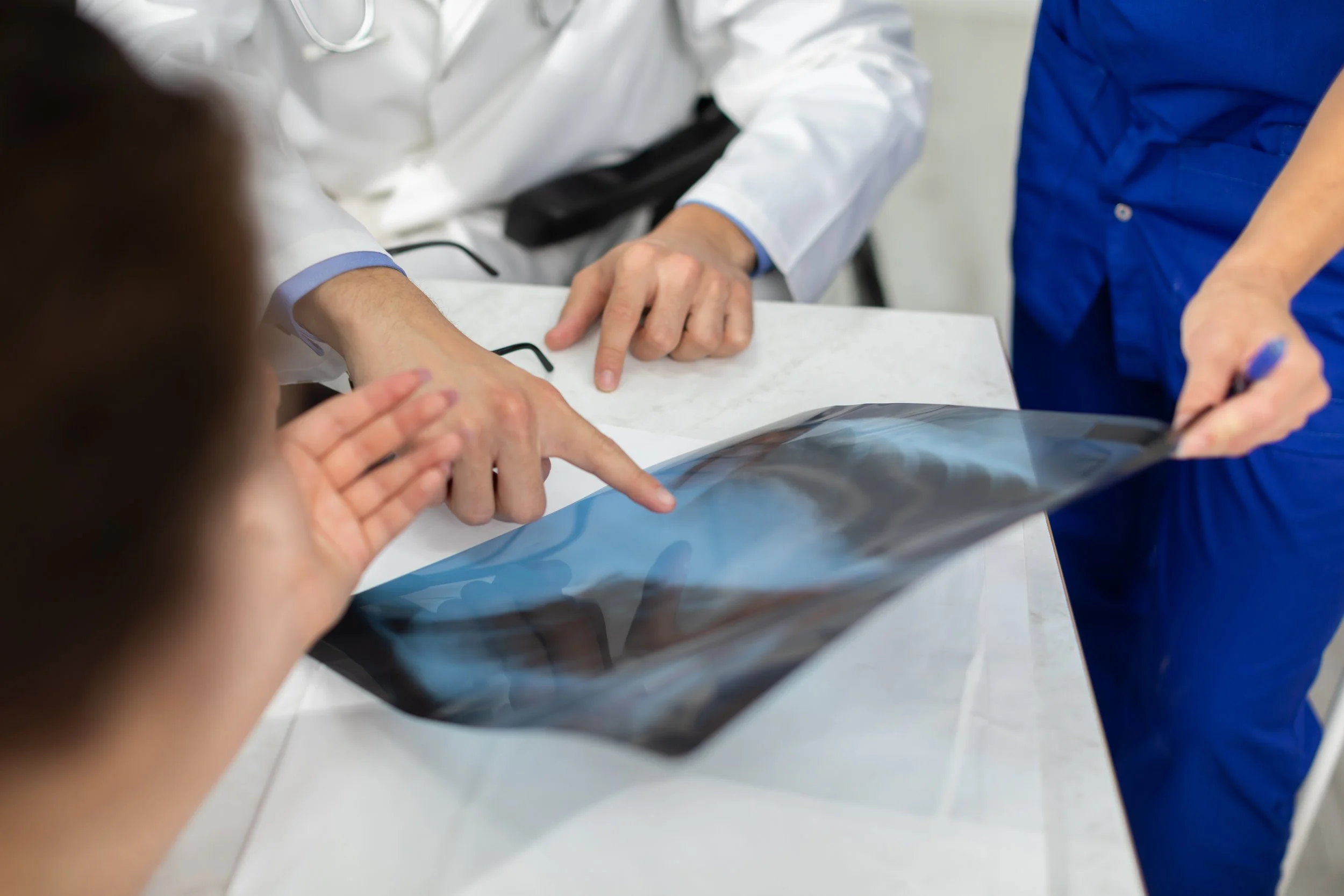
Diagnosing sarcoidosis typically begins with a thorough review of your medical history and a physical exam. From there, your lung specialist may recommend imaging tests—such as chest X-rays or CT scans—to look for signs of inflammation or changes in the lungs.
If you’re experiencing symptoms like shortness of breath, pulmonary function tests can help evaluate how well your lungs are working. In some cases, a biopsy may be needed to confirm the diagnosis and rule out other conditions with similar symptoms.
Treatment Options for Sarcoidosis
Treatment for sarcoidosis depends on how active the condition is and how much it’s affecting your lungs or overall health. In some cases, sarcoidosis may resolve on its own without treatment, often within a few years. However, if symptoms persist or begin to impact breathing or daily life, treatment is typically recommended to manage inflammation and prevent complications.
Options may range from regular monitoring to medications such as corticosteroids, immunosuppressants, or biologic therapies. In certain cases, treatment may also be tailored to specific organs affected by the condition. The best approach is highly individualized, based on symptom severity and how the disease is impacting your quality of life.
When to See a Lung Care Specialist in Chattanooga
If you’re experiencing a persistent dry cough, shortness of breath, or chest discomfort that lasts more than a few weeks—or seems to be getting worse—it’s a good idea to see a lung care specialist.
At The Lung Docs, our team provides expert, personalized care across convenient Chattanooga locations. If you’re looking for answers or a clear path forward, we’re here to help you get an accurate diagnosis and a treatment plan you can feel confident in.
Schedule an appointment today and take the next step toward better lung health.
Chattanooga’s leading lung doctor, Dr. Mike Czarnecki, MD, is renowned for delivering exceptional care and innovative treatments in pulmonary medicine. Whether you need a quick check-in to discuss symptoms or want to make sure your medications are optimized, a telehealth appointment can help you stay on top of your health from anywhere you go this holiday season. Click here to contact us to book an appointment.